
Collision wrap: light tack and reverse winding
Collision wrap is not a stretched pallet film with a different label. The tack, the winding direction and the way it releases from cured paint are the product.
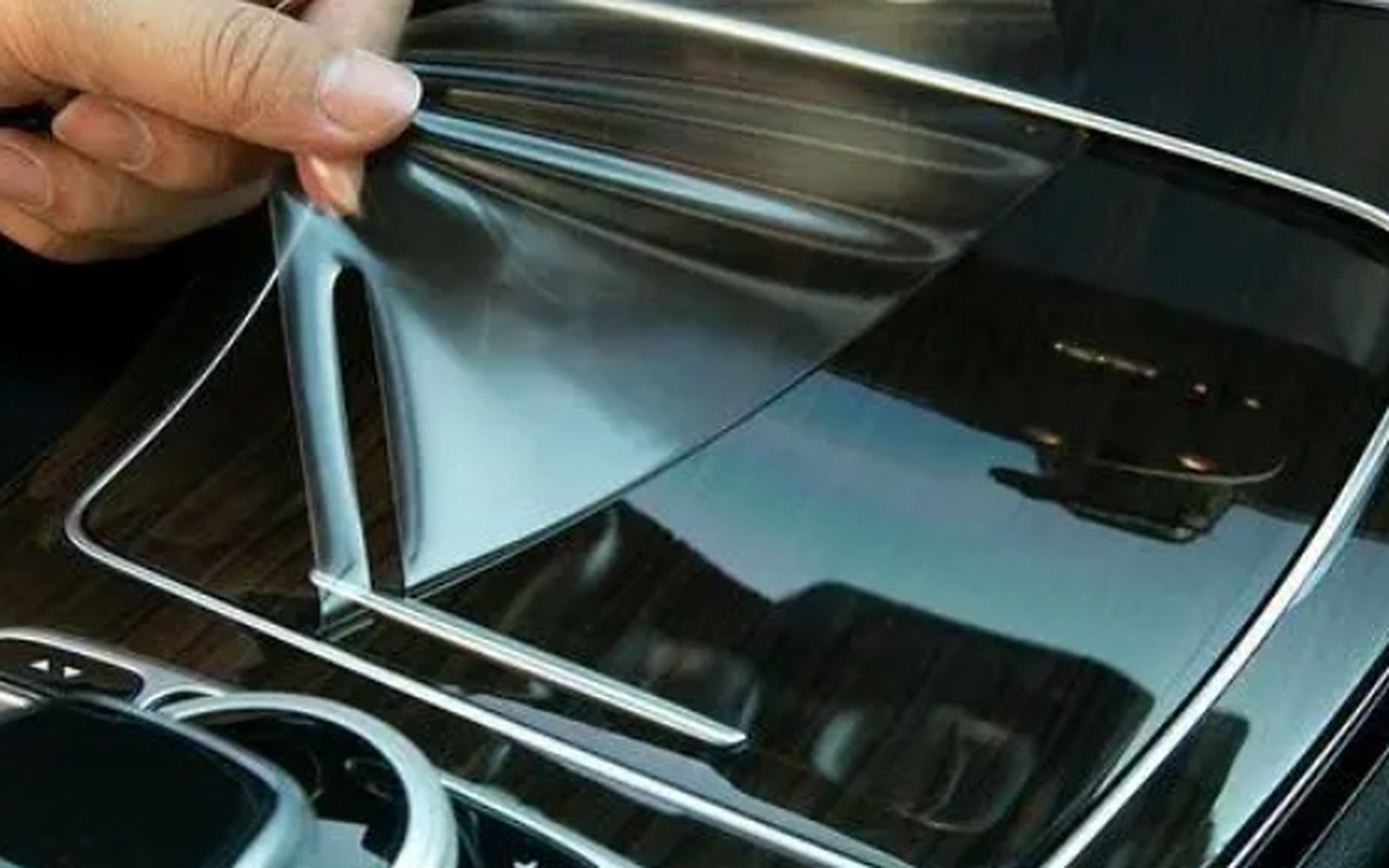
A collision wrap has one job: stay on a damaged vehicle long enough to get it from the roadside to the shop, then come off without taking paint or trim with it. That makes it a different film from a general-purpose protective tape.
Three things matter. First, light tack: enough to hold on a vertical panel, low enough to peel without pulling cured paint. Second, thickness: a 3 mil LDPE film has the body to bridge broken glass and sharp edges. Third, winding direction: reverse-wound rolls let the applicator run the film the way the shop prefers, without fighting the roll.
The surface matters as much as the film. Cured paint, primer, bare metal and glass all behave differently. Tell the supplier what the film will touch and how long it will stay on; the tack should be chosen for that, not picked off a shelf.
A sample roll is the cheapest test. Run it on a scrap panel, leave it in the sun, then peel it. If it leaves a line, the grade is wrong for that surface.
Written by the Greatsea team. If you want a sample of the grade discussed here, send us the format you buy.
Request a sample